Creator Program:Earn $3 per subscriber you refer.Fast payouts, instant approval.
History is one of YouTube's biggest faceless niches — most top channels never show a face, so the thumbnail has to do the storytelling with artifacts instead of expressions. The grammar that wins is built on maps, portraits, ruins, and dates: objects that stand in for people and promise a story. The best history thumbnails look less like designs and more like evidence someone just uncovered. Glossy, modern-looking packaging actively works against you here, because the niche's currency is authenticity.
Generated with VisualKit's history styles — the same ones you get in the maker.
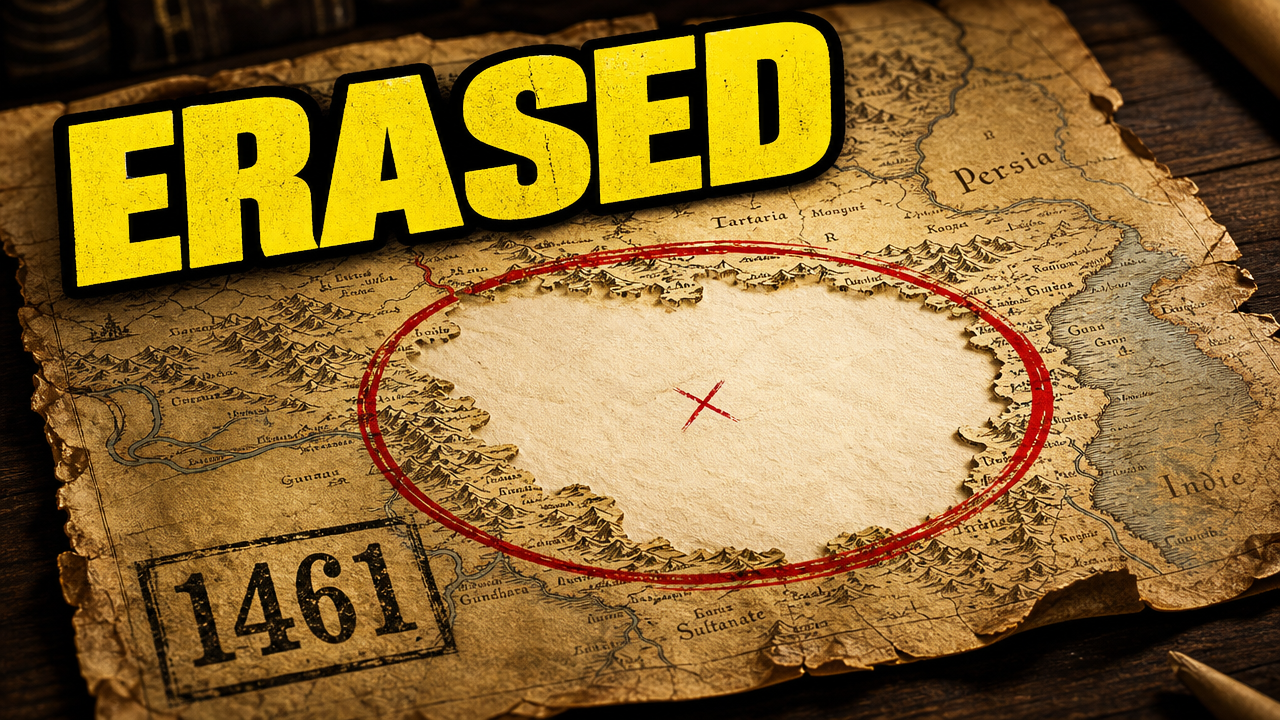
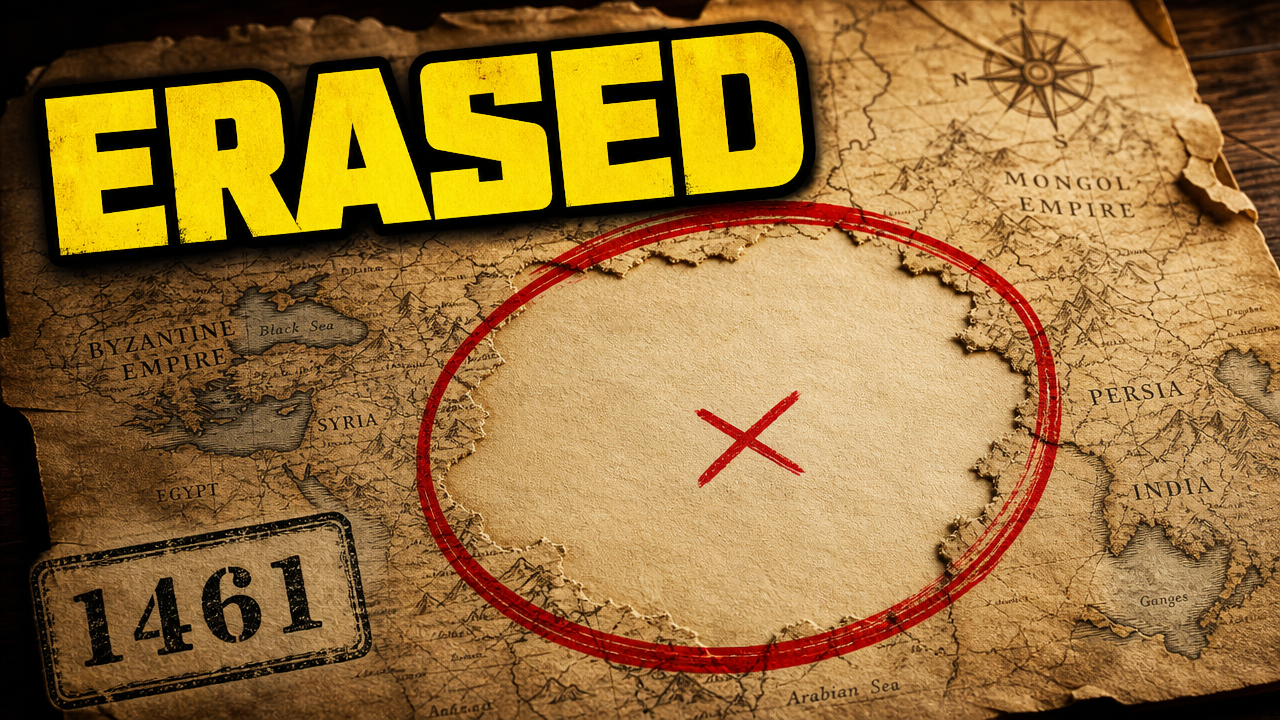
Patterns that repeat across top-performing history channels — the observations our niche research is built on.
An old map is the niche's most reliable canvas, but it only works with one deliberate wrongness: a region circled, a border redrawn, a trade route that simply stops. The map supplies authenticity; the anomaly supplies the question. Without the anomaly it's decoration — with it, the viewer has to know what happened there.
A specific year in documentary-style type does the dread and curiosity work on its own. '1177 B.C.' outperforms 'THE COLLAPSE' because the specificity implies the creator knows exactly when and why — and the viewer doesn't yet. Stamp the date large over a ruin or portrait and let the precision carry the hook.
Sepia tones, film grain, paper texture, and period-correct imagery consistently outperform glossy renders in this niche. The audience is filtering for channels that did the research, and archival texture is the visual shorthand for it. A clean modern gradient signals content-farm; a scratched photograph signals primary sources.
History's biggest hooks are differences in scale, and the thumbnails that win compress them into one frame: an entire empire shrunk onto a single map, a thousand-year timeline squeezed into a strip, the massive army facing the tiny village. The viewer should feel the disproportion before reading a single word.
Want the long version? Read the full history thumbnail guide.
Concept starters for your next upload — each one works as a one-line prompt.
Paste your channel URL and audit your last 10 thumbnails against these patterns — feed-size readability, contrast, and title truncation. Free, no signup.
VisualKit's history styles apply these patterns for you: describe the video, get 1280×720 options in about a minute, and edit anything with a prompt.
Free generations on signup · plans from $40/month
Describe your video and get niche-correct 1280×720 options in about a minute — these patterns, applied for you.
